September 3, 2026
How Michigan Freeze-Thaw Cycles Create Dangerous Commercial Property Conditions
Michigan freeze-thaw cycles can turn ordinary winter moisture into ice, uneven pavement, and difficult walking or driving conditions. When temperatures rise above freezing during the day and fall again overnight, melted snow can refreeze across parking lots, sidewalks, entrances, and loading areas. Proactive snow and ice management helps commercial property owners address these changing conditions before they disrupt normal operations.
What Is a Freeze-Thaw Cycle?
A freeze-thaw cycle happens when temperatures move above and below 32 degrees. Snow and ice melt during warmer periods, allowing water to spread across paved surfaces or collect in low areas. Once the temperature drops, that water freezes again and creates a new layer of ice.
This process may repeat several times during a single stretch of winter weather. Even if no new snow falls, a commercial property can become hazardous again after previously cleared surfaces refreeze.
Why Refreezing Can Be Difficult to Spot
Fresh snow is easy to see, but thin ice is not always obvious. Meltwater can refreeze into a smooth, nearly transparent layer that blends into the pavement, especially in shaded areas or under low lighting. These slick spots may catch pedestrians and drivers by surprise.
Commercial properties often have several areas where hidden ice can develop:
- Sidewalks and pedestrian crossings
- Building entrances and exterior steps
- Sloped driveways and parking lot entrances
- Shaded areas beside buildings
- Loading docks and service lanes
- Low spots where meltwater collects
How Freeze-Thaw Cycles Affect Pavement
Water can enter small cracks in asphalt and concrete during warmer periods. When that water freezes, it expands and places pressure on the surrounding material. Repeated cycles can gradually widen cracks and contribute to potholes, loose pavement, and uneven walking surfaces.
Snowplowing alone cannot correct these underlying problems. Property managers should monitor paved areas throughout the season and arrange repairs when conditions allow, especially where surface damage affects traffic or drainage.
Meltwater Can Create New Ice After Snow Removal
A parking lot may look clear immediately after plowing, but nearby snow piles continue to melt when temperatures rise. Water can then flow across parking spaces, sidewalks, fire lanes, or entry points. If it remains there when temperatures fall, those cleared surfaces may become icy again.
The placement of snow piles can make a major difference. Snow should be stored where melting water is less likely to cross busy areas, block drains, reduce visibility, or interfere with emergency access.
Commercial Properties Face Greater Winter Risks
Businesses, offices, retail centers, HOAs, and other commercial sites often have steady vehicle and pedestrian traffic. Employees and visitors may arrive early in the morning when overnight refreezing is at its worst. A single untreated area can interfere with access and create avoidable safety concerns.
Poor winter conditions may affect a property in several ways:
- Slippery walkways increase the chance of falls.
- Icy entrances make buildings harder to access.
- Snow piles reduce parking capacity and driver visibility.
- Blocked routes interfere with deliveries and waste collection.
- Unsafe lots may delay opening or disrupt daily operations.
- Repeated refreezing increases the need for ongoing treatment.
Why One-Time Snow Removal Is Not Always Enough
Freeze-thaw conditions can change long after a storm has passed. Plowing removes accumulated snow, but it does not stop runoff from moving across the property or prevent temperatures from dropping again. That is why winter maintenance often requires continued monitoring and follow-up service.
A complete plan may combine snow removal, detail clearing, de-icing, and snow relocation. Each service addresses a different part of the problem and helps the property remain usable as conditions change.
How Proactive Snow and Ice Management Helps
Effective snow and ice management begins before the first storm arrives. A contractor can review the property, identify high-risk areas, determine where snow should be stored, and establish service priorities. This preparation allows crews to respond more efficiently when conditions begin to change.
A commercial winter plan should account for:
- Parking lots, access roads, and traffic lanes
- Sidewalks, steps, and building entrances
- Slopes, shaded pavement, and drainage trouble spots
- Loading docks, fire lanes, and service areas
- Appropriate snow storage and relocation locations
- De-icing needs before and after a weather event
Snow and Ice Services Built for Michigan Commercial Properties
At Reynolds & Juett Associates, we provide commercial snow and ice management designed to keep properties safer, accessible, and ready for daily activity. We monitor winter conditions and respond based on the needs of each site, including the risk of overnight refreezing.
Our commercial services include:
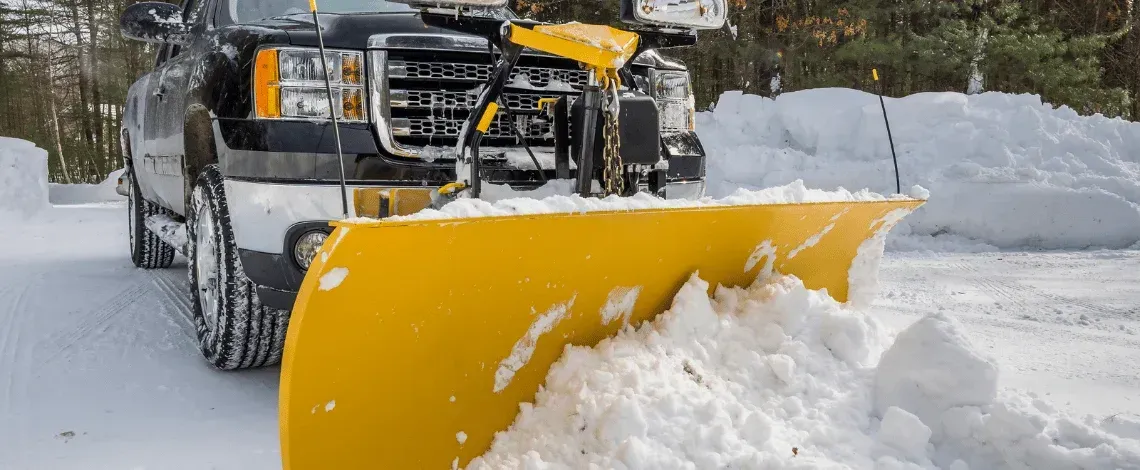
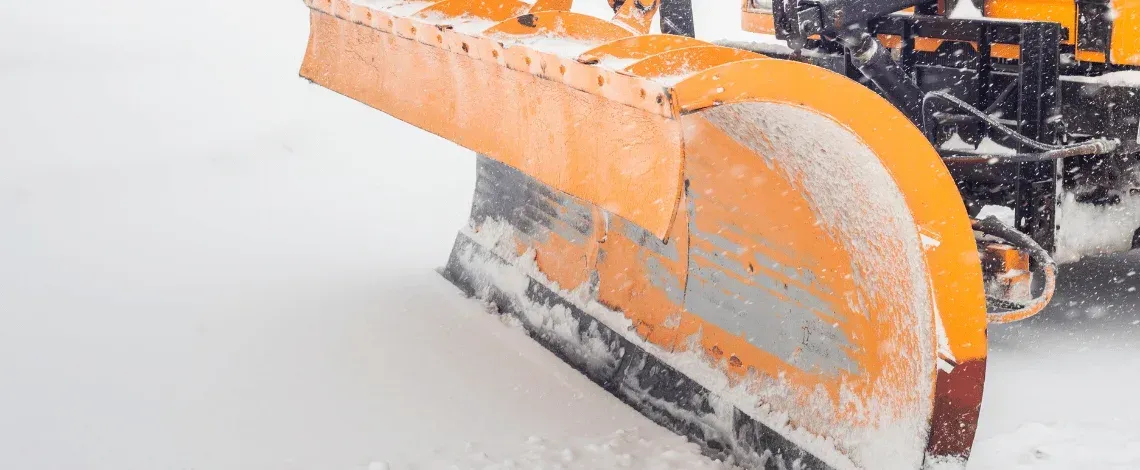
- Commercial snow removal: We clear parking lots, driveways, access roads, and primary entrances after snow accumulation.
- Snow blowing: We clear sidewalks, steps, vestibules, and tighter areas that larger equipment cannot safely reach.
- Salting and de-icing: We treat parking areas, drives, and walkways to reduce ice bonding and address refreezing.
- Snow relocation: We move large snow piles when they begin taking up parking spaces or affecting visibility and access.
Schedule Commercial Snow and Ice Management Before Conditions Change
Freeze-thaw cycles can create new hazards even after a Michigan snowstorm appears to be over. A proactive service plan helps keep parking lots, sidewalks, entrances, and access routes in better condition throughout the winter. Our team is ready to provide the snow removal, de-icing, detailed clearing, and snow relocation your commercial property may need.
Contact us today to discuss your site and request a snow and ice management quote.
Recent Posts