September 3, 2026
Lake-Effect Snow and Commercial Properties: What Michigan Businesses Need to Know
Lake-effect snow can create serious challenges for Michigan commercial properties by covering parking lots, blocking entrances, limiting deliveries, and producing slippery surfaces within a short time. A reliable snow and ice management plan helps businesses respond quickly, maintain access, and reduce winter safety risks. Because conditions can vary greatly from one area to another, commercial property owners need a plan designed for fast-changing weather.
What Causes Lake-Effect Snow?
Lake-effect snow develops when cold air moves across the relatively warmer, open water of the Great Lakes. The air collects heat and moisture before rising, cooling, and forming narrow bands of snow over nearby land. These bands can produce snowfall rates of two to three inches per hour or more. The National Weather Service also notes that one location may experience heavy snow while an area only a few miles away remains clear.
For commercial property managers, this means a general regional forecast may not tell the whole story. Snow can begin quickly, reduce visibility, and cover recently cleared pavement before a storm has fully passed. A responsive winter plan should account for changing snow bands rather than relying only on an expected final accumulation.
How Heavy Snow Can Affect Commercial Properties
A fast-moving lake-effect snow band can disrupt nearly every part of a commercial property. Employees may struggle to enter the lot, customers may decide not to visit, and delivery vehicles can lose access to loading areas. These problems become more difficult when snow continues falling faster than it can be cleared.
Common risks include:
- Blocked parking and access: Snow can cover parking spaces, drive lanes, entrances, and loading docks.
- Slippery pedestrian areas: Packed snow and refreezing moisture can make sidewalks, steps, and entryways hazardous.
- Reduced visibility: Tall snow piles can make it harder for drivers to see vehicles and pedestrians.
- Interrupted operations: Delayed employees, canceled deliveries, and inaccessible entrances can slow or stop business activity.
- Pressure on roofs and drainage: Repeated accumulation may place additional strain on roofs, while melting snow can overwhelm blocked drains.
Why One Round of Plowing May Not Be Enough
Lake-effect snow can continue or redevelop throughout the day, quickly covering recently cleared pavement. Wind may also push loose snow back across entrances, walkways, and driving lanes. Longer events may require repeated plowing, walkway clearing, and de-icing. Ongoing monitoring helps keep important areas accessible while snow is still falling.
Snowmelt and Refreezing Create Additional Risks
Even after snowfall ends, melting snow can refreeze as temperatures drop. This can create slick, difficult-to-see patches across frequently used areas.
Particular attention should be given to:
- Entrances, sidewalks, steps, and ramps
- Shaded pavement and low spots
- Roof drains and downspouts
- Areas around large snow piles
- Loading docks and service entrances
How Businesses Can Prepare Before the Snow Arrives
Preparation should begin before Michigan’s first major winter event. Property managers need to identify high-priority areas, decide where snow will be stored, and establish when service should begin. These details give the snow contractor a clear plan to follow when conditions change quickly.
Before winter, businesses should:
- Arrange service early: Confirm the property’s needs, service triggers, and expected response procedures before the season begins.
- Map priority areas: Identify entrances, fire lanes, loading docks, accessible parking spaces, and high-traffic walkways.
- Plan snow storage: Select locations that will not block visibility, drainage, parking, or emergency access.
- Inspect roofs and drainage: Clear drains and downspouts, and have qualified professionals address any roofing concerns.
- Prepare for outages: Test backup power systems and maintain emergency supplies for employees who may remain onsite.
- Establish communication: Decide who will receive service updates and report changing conditions during a storm.
Build Snow Relocation Into the Winter Plan
After several snow events, piles can begin taking over usable parking spaces and narrowing drive lanes. They may also block signs, restrict visibility, and interfere with water drainage during warmer periods. Properties with limited storage space can reach this point particularly quickly.
Snow relocation or hauling should be discussed before the lot becomes crowded. Setting storage limits in advance helps property managers know when accumulated snow must be moved. It also keeps fire lanes, sightlines, and important access routes available throughout the season.
Work With a Commercial Snow and Ice Management Team
At Reynolds & Juett Associates, we provide commercial snow and ice management designed to help Michigan businesses keep their properties safer, clearer, and more accessible. We monitor winter conditions and respond with services suited to active storms, changing temperatures, and repeated accumulation.
Our commercial winter services include:
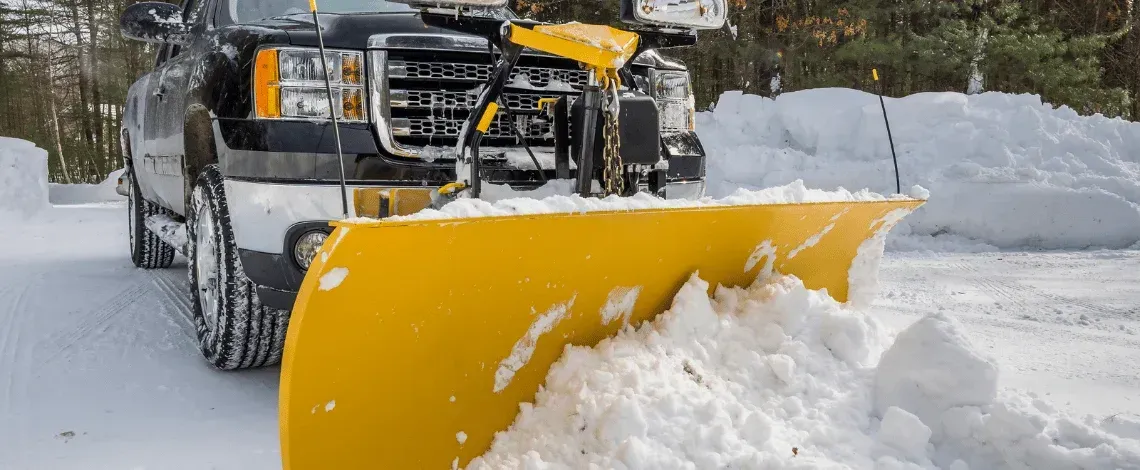
- Commercial snow removal for parking lots, driveways, access roads, and entry points
- Snow blowing for sidewalks, steps, vestibules, and areas that plows cannot safely reach
- Salting and de-icing for parking areas, drives, and pedestrian surfaces
- Snow relocation and hauling when piles interfere with parking, visibility, or access
Prepare Your Commercial Property for Lake-Effect Snow
Lake-effect snow can cover a commercial property quickly, so waiting until the storm begins can leave your business struggling to keep up. A proactive plan can help protect entrances, parking areas, walkways, and essential access routes throughout changing winter conditions.
Our team is ready to provide dependable commercial snow removal, de-icing, walkway clearing, and snow relocation when your property needs it.
Contact us today to discuss your snow and ice management needs and request a quote.
Recent Posts